
Join us on Friday, March 13, 3:30PM-5PM, Main Library, Green Room (4th Floor West) as we are proud to feature Natalie Phillips for our 2026 Distinguished Lecture!
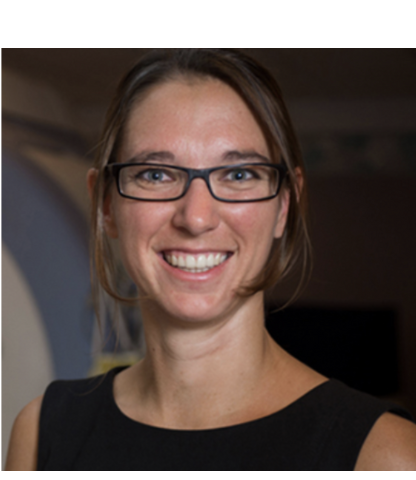
Connecting Digital Humanities to Reader-Response and Audience Studies
This talk will explore how we can use DH tools, not only to analyze and archive texts, but to powerfully reconnect them with the experiences of diverse readers and audiences. We begin with a series of experiments that combine digital, cognitive, and literary methodologies to investigate what readers pay attention to and remember in both an fMRI study of reading a chapter from Jane Austen and a study of our emotional responses to a collection of sonnets. I discuss how the digital humanities tools used for each study crucially shift based on the research questions being asked, focusing on how these tools, joined with reader responses (post-scan essays, brain data, surveys, and beyond) can enrich our understanding of the textual patterns traditionally focused on in corpus-based literary analysis. In the second part of my talk, I share my most recent work in gathering an archive cataloging how individuals turned to creativity during Covid-19, including over 2,000 artworks from around the globe, as well as survey responses to how this creation affected them during the pandemic. Based on our experiences exhibiting this work at MSU and across the U.S., I share patterns in how audiences—specifically two IAH classes—responded to specific artworks and stories at MSU and our plans to use this feedback to create a virtual exhibition focused on cultivating practices of everyday creativity in healthcare workers. Ultimately, my goal is to show how methods from humanities, cognitive science, and DH can interconnect productively to produce research that includes multiple audiences, data sources, and styles of analysis to enrich our understanding of how we engage with literature and art.