
-

What DH Means to Me: Max Evjen
What DH Means to Me: Max Evjen I learned about Digital Humanities when I was working as Performance and Digital Engagement Specialist at the MSU Museum (2015-2019), and increasingly I’ve seen how Digital Humanities happens in the museum context while I’ve been involved by presenting at Museum Computer Network Conferences and volunteering for that organization. When someone is using a digital tool to analyze collections, or make them more accessible through digital means I see that as digital humanities. Projects such as the Pink Art project at Williams College Museum of Art or the Open API at the Art Institute…
-

What DH Means to Me: Matt Handelman
I am associate professor of German, core faculty in the Digital Humanities, Associate Chair for Graduate Studies in LiLaC, and Interim Chair of Digital Humanities. This might sound like a strange combination of interests, but it goes to the heart of what DH means to me. I started my undergraduate majors in mathematics and German literature with little sense that the two subjects had anything in common. However, as my studies in both continued (and as I encountered more mathematical theories named after Gauss, Riemann, Hausdorff, Weierstraß, etc.), I became more and more convinced of the overlaps between German culture…
-

What DH Means to Me: Yuri Cantrell
My journey into digital humanities came from a love of technology, working with software and hardware, that eventually led me into the humanities and scholarship. I began working on immersive projects, serious games for training and VR simulations, and soon transitioned into higher education from studio work. The environment provided a wide range of uses for digital tools, and I discovered the various ways faculty were leveraging technology to enrich their research and instruction.
-

What DH Means to Me: Dani Willcutt
Digital Humanities (DH) has come to mean a lot to me. In 2018 – which is when my introduction to DH occurred – it was a graduate certificate that I thought would make an interesting addition to my curriculum vitae. When I made the decision to join the Digital Humanities Graduate Certificate at MSU, I had no idea that it was going to completely change my career trajectory. I had never even considered myself a technical person (heck, I still use a paper planner). By the time I was halfway through my first year as a Cultural Heritage Informatics (CHI)…
-

Research Highlight: Stratford Heritage Guide
Analysis of 19th-century guidebooks reveals how public understanding of Stratford’s monuments has evolved, demonstrating the subjective nature of the town’s relationship with Shakespeare.
-

Project Highlight: The Travels of Lady Nijo: Pilgrimage, Travel, and Tourism in 13th and 14th Century Japan
The Confessions of Lady Nijo is a work written around 1307 by Lady Nijo, a Japanese noblewomen turned Buddhist monk.
-

What DH Means to Me: Natalie Phillips
What I love most about DH is how its inclusivity and emphasis on community engagement has urged me to grow, expanding my work in cognitive studies of literature and eighteenth-century history of mind into art exhibits on Creativity in the Time of Covid-19 that champion disability justice and accessibility.
-

Research Highlight – Unlocking Squareland Mysteries: The Development of Squareland Digital Field Trips
With the DH Seed Grant, allowed the opportunity to think more creatively and expansively about how K-12 students engage with the landscapes, people and stories of KBS.
-

Project Highlight: Archive of Malian Photography
Archive of Malian Photography provides access to preserved & digitized collections of five important photographers in Mali.
-

Project Highlight: Marsh Time
Corey Marsh Ecological Research Center (CMERC) is a 400-acre parcel of land in Bath, Michigan, that is as noteworthy for its past as its future. The plot is the only remaining portion of the original MSU land grant that is non-contiguous with the East Lansing campus.
-

Teaching Highlight: LEADR Class
This semester LEADR Associate Director Gillian Macdonald and Graduate Assistant Aubree Marshall trialed the use of the digital tool KnightLab JS StoryMaps in a large ISS course.
-

Project Highlight: Mapping Michigan Menus
Mapping Michigan Menus began last summer with an exploration of available ways of “mapping” a food or drink menu, funded by a Digital Humanities Seed Grant.
-

Project Highlight: The Green Book
The Green Book was a travel guide published between 1936 and 1966 that listed hotels, restaurants, bars, gas stations, etc. that Black travelers would be welcomed.
-
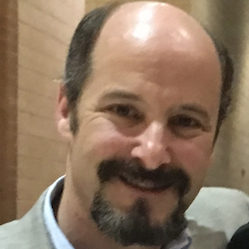
What DH Means To Me: Steve Rachman
I have been working with Digital Humanities for more than twenty-five years and it meanings have shifted over that time, but I think the constants have lay in its usefulness for thinking about literature, reaching out to new communities, and creating new forms of access and scholarship. My first encounter with this “thing” called or would come to be called Digital Humanities.
-

Teaching Highlight: Imari Tetu, Teaching with AI
Imari Tetu discusses teaching with AI in her course, 111: Intro to Accessibility for the Humanities.
-
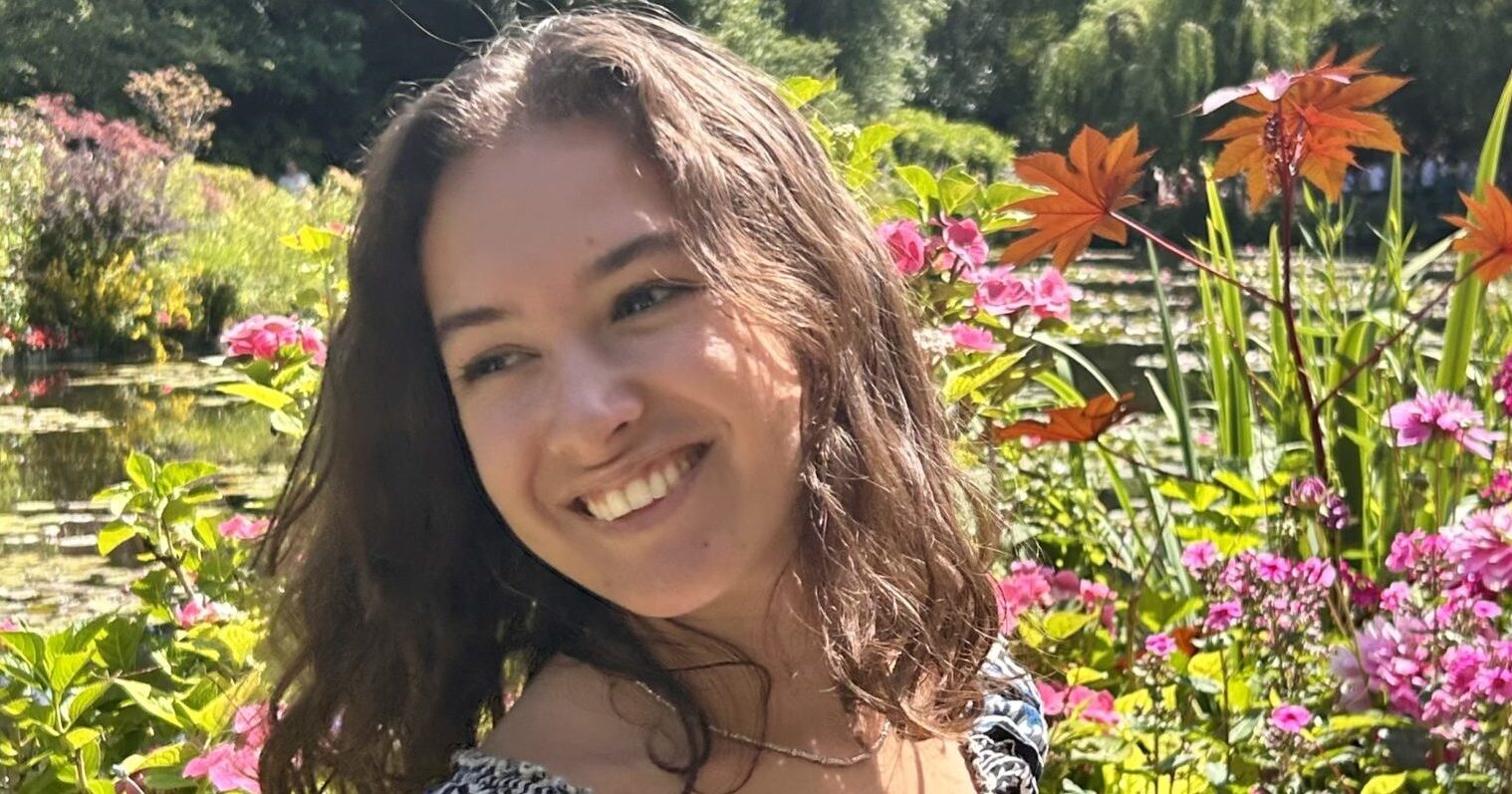
Undergraduate Student Profile: Margaux Smith
Undergraduate Student Margaux Smith gives insight into her undergraduate journey and how she found Digital Hummanties.
-

What DH Means to Me: Kate Birdsall
DH Core Faculty, WRAC Dept, describes what Digital Hummanties means to her within her scholarship.
-

Research Highlight: Internment Archaeology Digital Archive
The Internment Archaeology Digital Archive (IADA) project is a digital platform and website dedicated to sharing the stories of Japanese Americans who were incarcerated and interned during World War II in Idaho.
-

Project: Citing Slavery
The legal profession must confront its role in slavery. Acknowledging and discussing the modern citation of slave cases is a first step.
-

Teaching Highlight: Language and Cultures and LEADR
Students learned about the ethics of data collection, survey design basics, and how to analyze survey results. The hands-on workshops used two free tools, Google Forms and Voyant, to collect and visualize survey data.